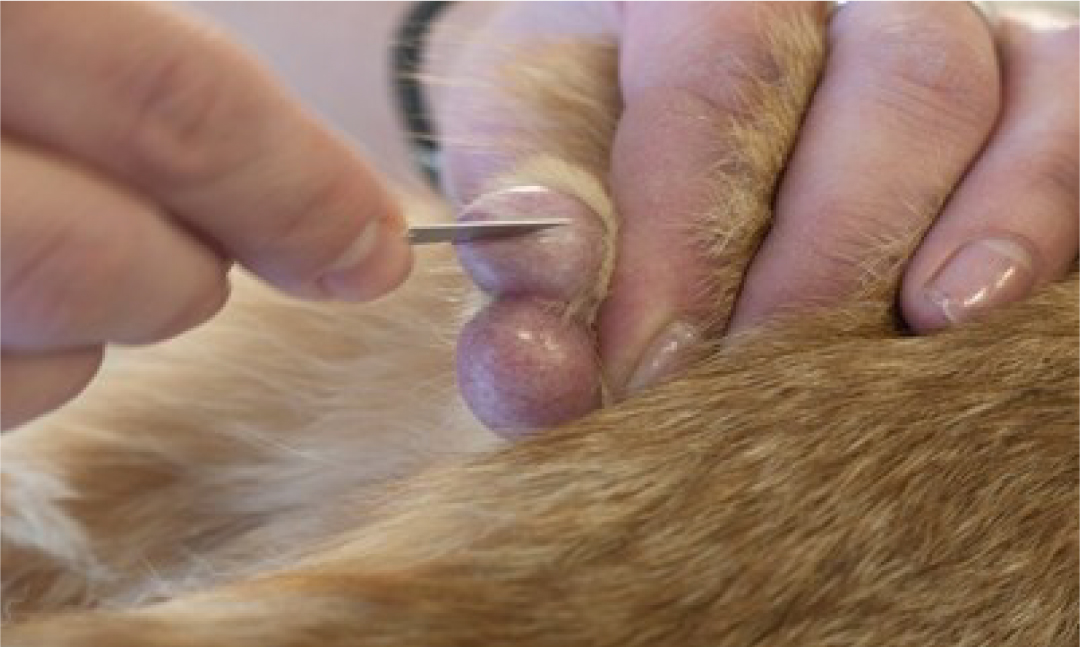








| Neutering, or orchiectomy, is one of the most common and essential surgical procedures performed in veterinary medicine. While it is often viewed as a routine part of responsible pet ownership, the underlying medical complexity—involving precise anesthesia, surgical skill, and pharmacological management—is significant. Here is a detailed look at the clinical journey of a male cat undergoing a neuter.
1. Pre-Surgical Assessment: Before any anesthesia is administered, a veterinarian performs a thorough physical examination. The goal is to ensure the patient is healthy enough to metabolize the drugs used during the procedure. This often includes:
2. The Role of Anesthesia: Anesthesia is not a single “sleep” state but a carefully balanced protocol designed to provide three things: unconsciousness, muscle relaxation, and pain relief. Pre-medication: Most cats receive a “pre-med” injection. This typically includes a sedative and a preemptive analgesic (pain medication). By calming the cat before the procedure, veterinarians can use lower doses of more potent anesthetic induction agents later, which increases safety. Induction and Maintenance: Once sedated, the cat is “induced” into a deeper state of anesthesia. In many feline neuters, this is done via an injectable cocktail. Because the surgery is relatively brief, veterinarians may use:
Monitoring: Throughout the surgery, a technician monitors vital signs, including heart rate, respiratory rate, oxygen saturation ($SpO_2$), and body temperature. Maintaining body heat is crucial, as anesthesia can cause a cat’s temperature to drop rapidly. 3. The Surgical Procedure: The orchiectomy involves the surgical removal of both testes. Unlike many human or canine surgeries, feline neuters are often performed using a “closed” or “open” technique that does not require external stitches. Preparation: The scrotum is plucked of hair and scrubbed with surgical antiseptic (such as chlorhexidine or povidone-iodine) to create a sterile field. The Incision and Extraction
The “No-Suture” ApproachIn most cases, the scrotal incisions are left open to heal by second intention. Because the incisions are so small, they typically seal themselves within hours. Leaving them unsutured allows for natural drainage and reduces the risk of the cat chewing at irritating stitches. 4. Pharmacology: Post-Operative Medicine: Modern veterinary medicine emphasizes “multimodal analgesia”—using different types of drugs to attack pain from multiple angles.
5. Recovery and AftercareRecovery begins the moment the anesthetic drugs begin to wear off. The cat is kept in a warm, quiet environment and monitored until they can sit upright and swallow normally. Home Care Essentials:
Conclusion: Though routine, the feline neuter is a sophisticated medical event. Through the combination of advanced anesthesia, sterile surgical technique, and targeted medicine, veterinarians ensure the procedure is a safe, nearly painless experience that contributes to the long-term health of the cat and the control of the pet population. Writer: Dr. Samar Chandra Roy, Pet Practitioner, Uttarkhan Pet Care. |