






| Sexual maturity in female breeders is a critical milestone that directly influences flock performance, egg quality, and long-term productivity. Achieving optimal sexual development requires a fine balance of physiological readiness, environmental cues, and precise management. This article outlines the key physiological processes, indicators, and management strategies that support healthy sexual maturation and optimal egg utilization.
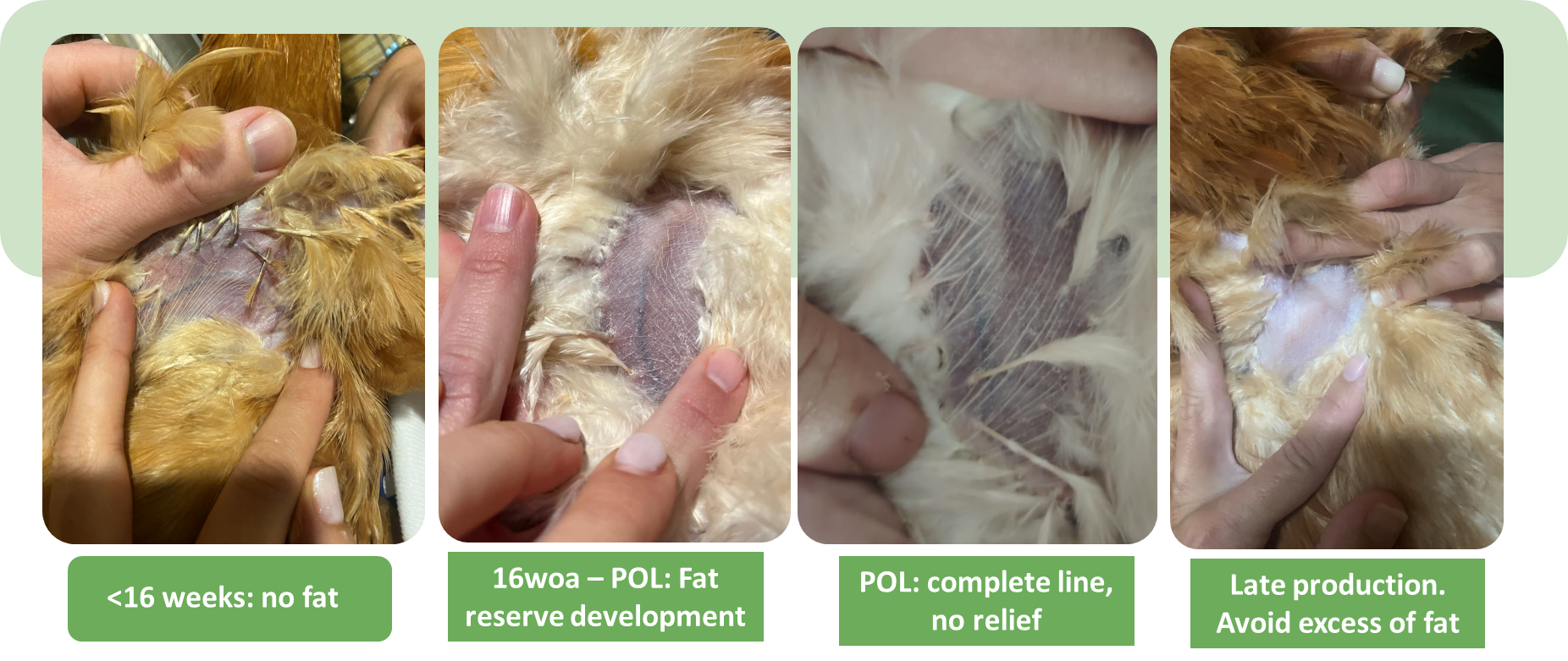
1. The Physiology of Sexual Maturity: From hatch to point of lay (POL), a hen undergoes complex physiological changes. The reproductive system begins developing around 16 weeks of age, when [AM1] bodyweight and fat reserves are on target. The ovary and oviduct grow rapidly, preparing the bird for egg production. If bird condition is optimal, in terms of bodyweight and fat reserves and we provide enough energy and nutrients to support the sexual organs development, the reproductive system will start growing. This development is lead by hormones that are also influenced by photoperiod. Once daylight increases more than 11-12 hours the melatonin production is less and it allows the Hipothalamus-pituitary-gonads axis start producing hormones.
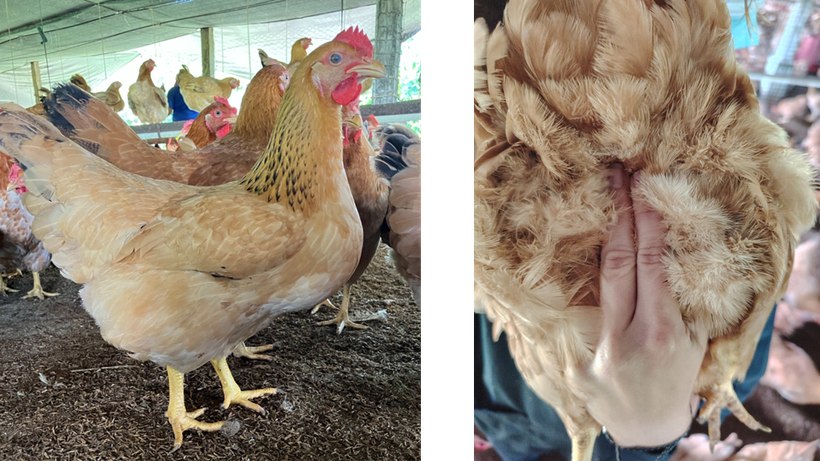
2. Identifying Sexual Maturity: Sexual maturity appears when oestrogens are released and can be assessed through secondary sexual characteristics:
Uniformity in these traits across the flock is essential for synchronized onset of lay which will avoid double yolks and shell quality problems due to overstimulation, small eggs for the non mature ones, prolapses… And all of this will result in higher number of HE/HH at the end. 3. Key Management Factors: Achieving optimal sexual maturity requires careful control of: Lighting
Bodyweight & Composition
Feeding Strategy
Conclusion: Sexual maturity is not just a biological milestone, it’s a management objective. If we don’t pay attention to the sexual maturity characteristics and uniformity during rearing and our flock starts producing early, it will result on more eggs rejected at the begining, early peak of production and suboptimal % of utilization. Success depends on:
Each flock is unique. Understanding the physiological underpinnings and applying tailored management strategies is key to unlocking their full laying potential. Author: Alba Mesas, Global Technical Support Manager, Hendrix Genetics. Email: alba.mesas@hendrix-genetics.com |