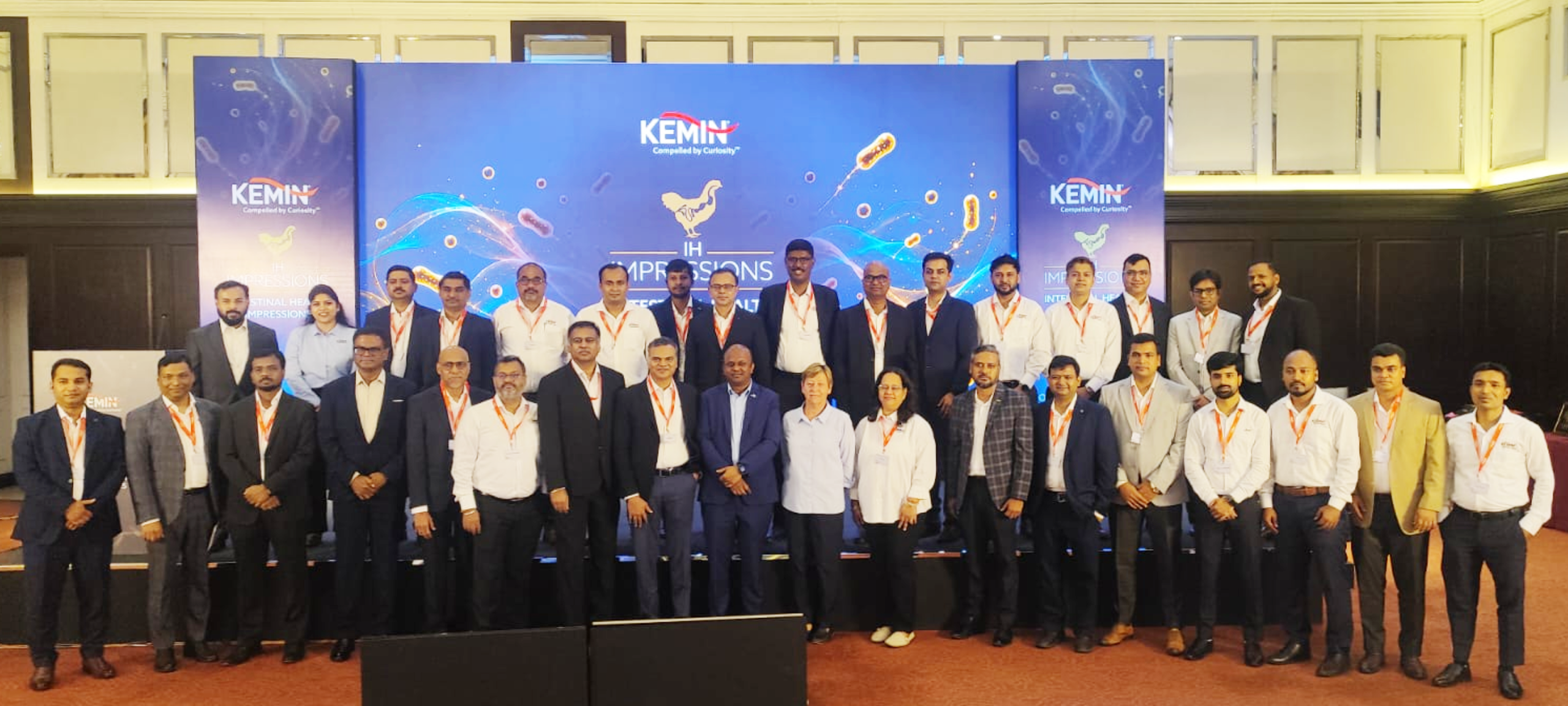







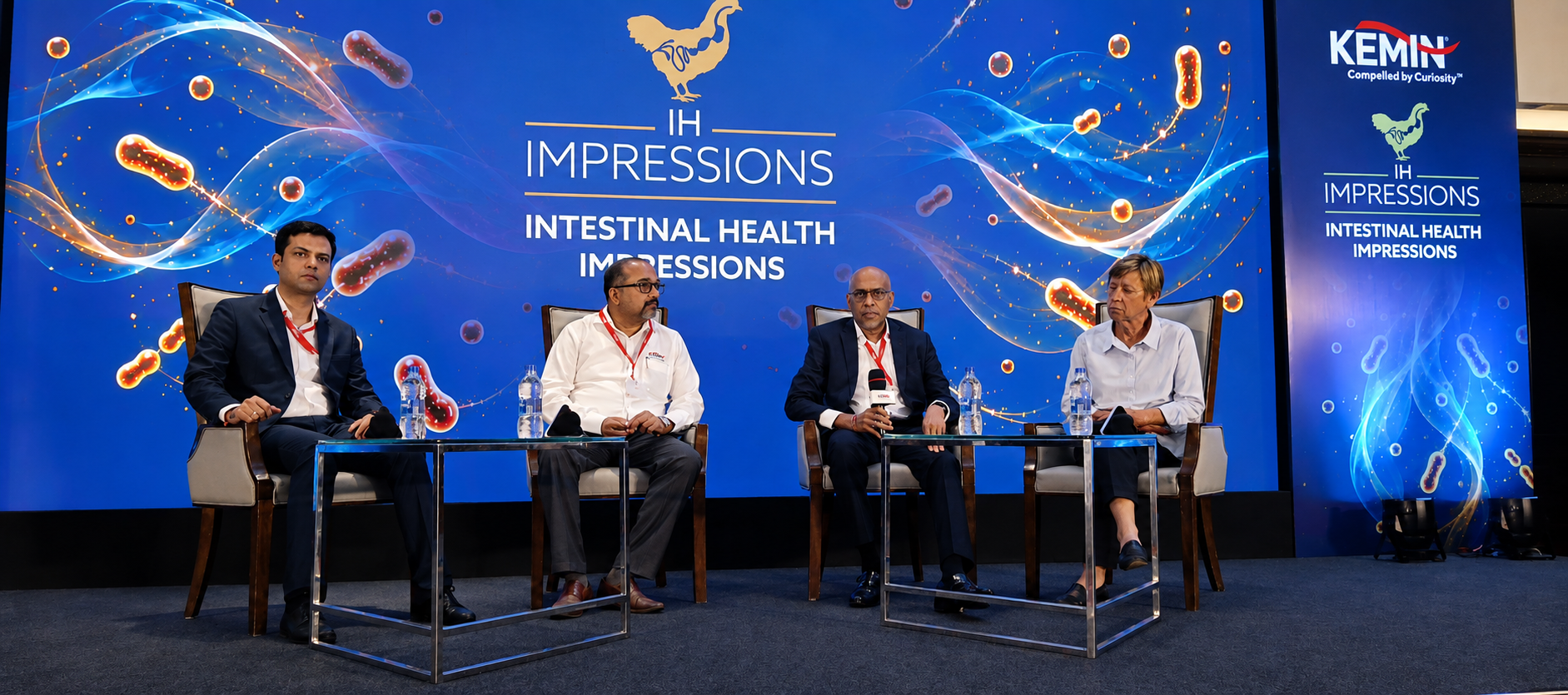
| Intestinal health is increasingly becoming a decisive factor in poultry productivity, feed efficiency and farm profitability as producers face a combination of disease pressure, environmental stress and rising production challenges. Against this backdrop, Kemin Animal Nutrition and Health brought together international poultry experts and industry professionals at its ‘IH Impressions’ programme in Dhaka on August 30, creating a platform to explore how science-based intestinal health management can be translated into practical solutions for poultry production.
Held at Le Méridien Dhaka, the programme brought together veterinarians, nutritionists, technical professionals, feed industry representatives and other stakeholders from across the poultry value chain. Rather than focusing only on disease control, the discussions explored a broader approach involving intestinal resilience, immunity, nutrition, management and economic performance. The programme featured three technical presentations from specialists with extensive international and regional experience.
Dr. R. Chanthirasekaran, Regional Director – Technical Services, Kemin Animal Nutrition & Health, South Asia, focused on “Building Resilient Gut Health Programs: Lesion Insights, Immunity and Economics.” His presentation connected intestinal lesion assessment with immune response and farm economics, highlighting the importance of looking beyond clinical signs when evaluating poultry health and performance. The discussion then moved from identifying intestinal problems to understanding the multiple factors that influence them. Dr. Hilde Van Meirhaeghe, Global Poultry Specialist at Vetworks, Europe, addressed “Simplifying Gut Health Complexities: A Closer Look at Impact Factors and Their Practical Implications.” Her session emphasized the need to understand gut health as the outcome of several interconnected factors rather than treating individual problems in isolation. Taking the discussion a step further, Dr. Satyam Sharma, Product Manager – Intestinal Health, Kemin Industries South Asia, presented “Beyond Gut Pathogens: Scientific Frameworks for Intestinal Resilience.” His presentation examined intestinal resilience from a broader scientific perspective, including gut-barrier integrity, intestinal microbiology, feed-gut interactions and nutritional modulation. A key message emerging from the sessions was that healthy poultry production cannot be built around pathogen control alone. Maintaining intestinal integrity and resilience requires a coordinated approach involving nutrition, immunity, management and close observation of field-level indicators. The programme also created an opportunity for participants to engage directly with the speakers through an interactive discussion, allowing technical issues and practical challenges faced by the poultry industry to be considered from different perspectives. For Bangladesh, the subject carries particular importance. The country’s poultry sector is under continuous pressure to produce affordable animal protein while maintaining productivity and economic viability. In such a situation, improving nutrient utilization and feed efficiency while reducing the impact of intestinal challenges can have implications not only for individual farms but also for the wider poultry value chain. The presence of international specialists at the Dhaka programme also provided an opportunity to connect global scientific knowledge with the realities of South Asian poultry production. The event highlighted the growing importance of converting research-based understanding into practical, measurable and economically meaningful farm strategies. The programme concluded with a vote of thanks from Dr. Muhammad Gulam Murshed, Country Manager (Bangladesh), Kemin Industries, followed by a networking dinner where participants continued discussions on poultry health and industry challenges. The IH Impressions programme ultimately placed a broader question before the poultry sector: instead of responding to intestinal problems only after production is affected, can farms build a more resilient intestinal health programme from the outset? The discussions in Dhaka suggested that a more integrated approach to gut health may be an important part of the answer. |