






| Saify Nasir: The 13th International Production, Processing & Milling Technology Exhibition 2025, held in Dhaka, highlighted one of the most important discussions in the aqua feed sector—why modern machinery and technology are now essential for producing high-quality fish feed. As global feed production continues to transform rapidly, aqua nutritionist Saifi Nasir emphasized at the exhibition that good formulation alone can no longer guarantee premium-quality feed. In a competitive and fast-growing aquaculture industry like Bangladesh, sustainable nutrition, process efficiency, modern technology and cost-effective machinery have become indispensable.
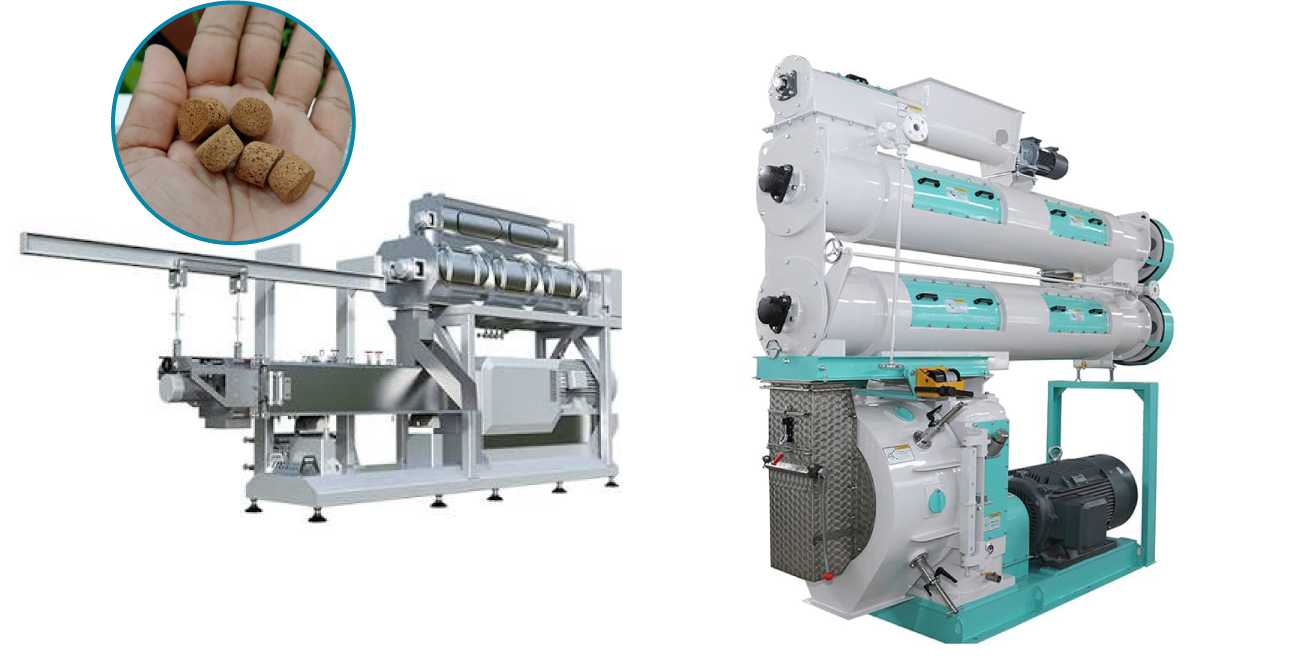
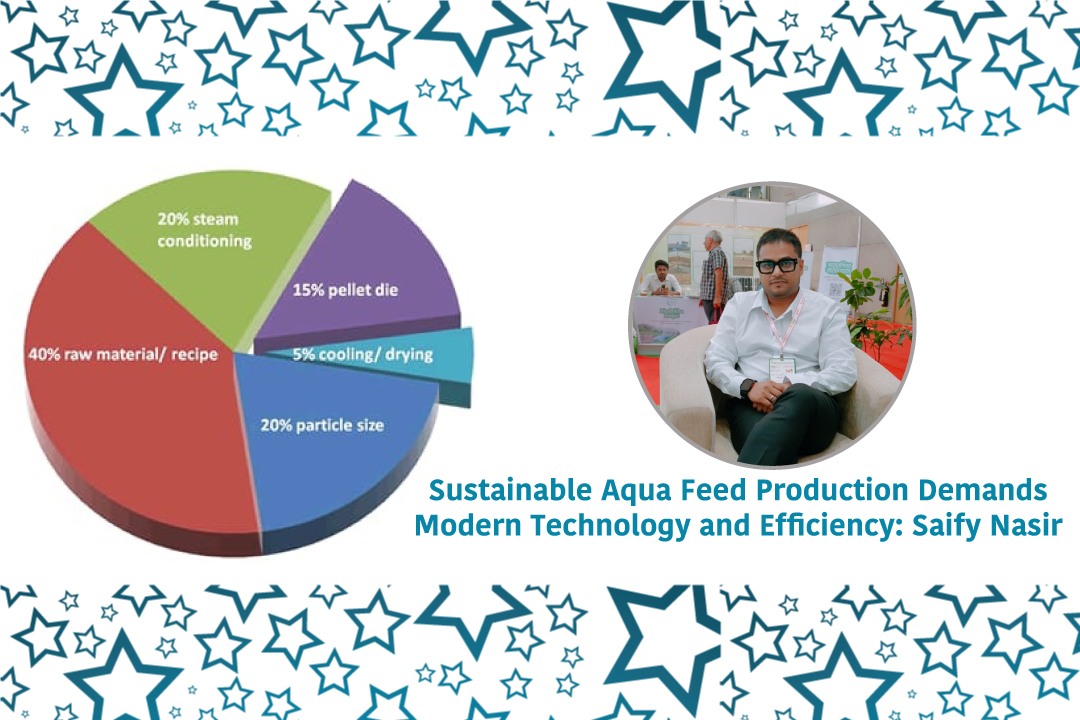
Industry specialists at the event explained that ensuring 100% feed quality requires equal emphasis on formulation and the milling system. While raw materials contribute to about 40% of total feed quality, the remaining 60% depends entirely on machinery performance. Proper conditioning preserves texture, stability and nutritional value; hammering ensures uniform particle size; the quality of the pellet die determines density, hardness and shape; and the cooling and drying systems protect the final product from moisture, mold and spoilage. Any weakness in these steps can compromise the entire batch, proving how crucial advanced machinery is in the production chain. International machine manufacturers participating in the exhibition highlighted that modern milling technology not only improves feed quality but also reduces operational costs, saves energy and strengthens long-term production stability. Energy-efficient conditioners, high-precision pellet dies, advanced hammer mills and modern cooling systems have become essential components of world-class feed production. Without these technologies, achieving premium pellet quality is extremely challenging, often resulting in reduced feed performance and competitiveness in the market.
A featured infographic at the exhibition clearly illustrated that machinery plays a bigger role in feed quality than raw materials. Many mill owners fail to achieve desired results despite having good formulations, mainly due to outdated or insufficient technology. This information has been recognized as a valuable guideline for entrepreneurs, feed mill managers and technicians. According to Aqua nutritionist Saifi Nasir, the future of aqua feed will be technology-driven and sustainability-focused, making technological modernization an urgent priority for the industry. The international exhibition held in Dhaka offered a new perspective for Bangladesh’s aqua feed sector. In a rapidly growing and highly competitive market, producing premium feed is impossible without high-quality machinery, precise process control and technology-based production management. Events like this will continue to play a vital role in guiding the feed industry toward global standards and future-ready solutions. |